
Automatic doors have become a common feature in commercial buildings, retail stores, hospitals, airports, and offices. They offer convenience, accessibility, and a modern look—but choosing the right type of automatic door is just as important as deciding to install one in the first place.
Two of the most popular options are sliding automatic doors and swinging automatic doors. Both can be excellent choices, but they serve different needs depending on space, traffic flow, safety requirements, and budget.
If you’re wondering which type is best for your property, let’s break down the pros and cons of sliding and swinging automatic doors to help you make an informed decision.
Sliding Automatic Doors
Sliding automatic doors operate by moving horizontally on a track, typically opening parallel to the wall. They are widely used in high-traffic environments where smooth, continuous movement is essential.
Pros of Sliding Automatic Doors
- Space-Saving Design
Since the door panels slide along a track instead of swinging open, sliding doors save valuable space. This is especially beneficial for:
- Narrow entrances
- Areas with limited clearance
- Locations where furniture or displays are placed close to the entry
- Narrow entrances
- Excellent for High-Traffic Areas
Sliding doors allow multiple people to enter or exit at the same time without bottlenecks. They are ideal for:
- Retail stores
- Airports
- Train stations
- Shopping malls
- Retail stores
- Unobstructed Entry and Exit
Because they don’t swing inward or outward, sliding doors make it easier for people using wheelchairs, strollers, or carrying heavy items to pass through without interruption. - Modern Aesthetic
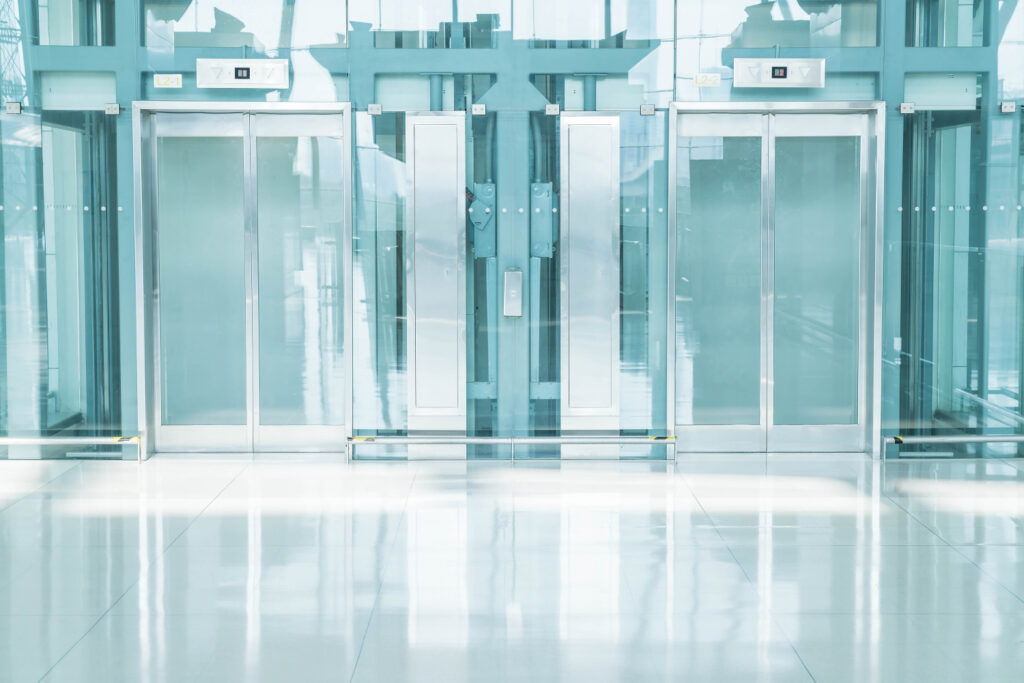
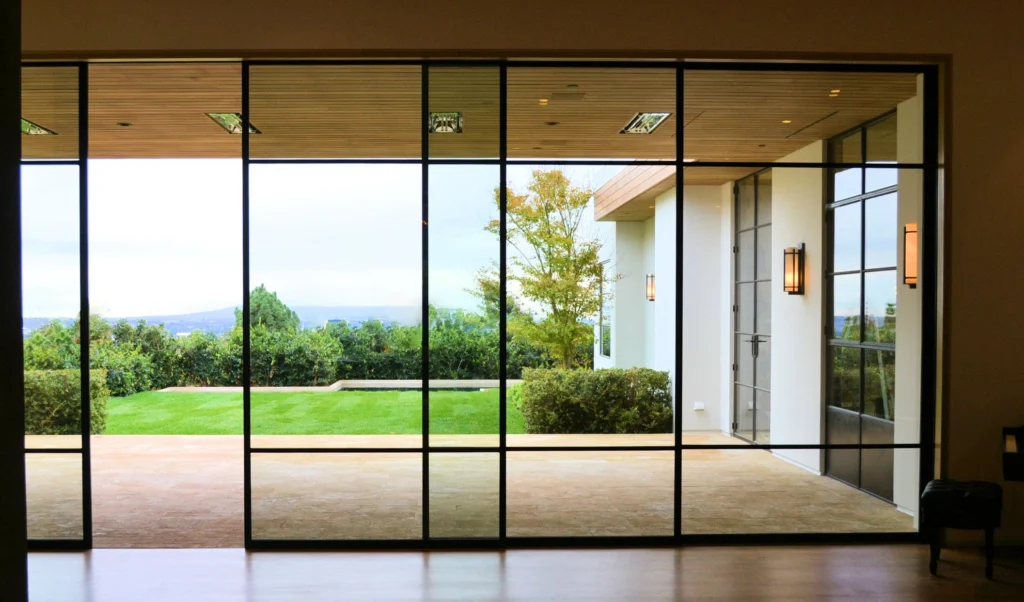
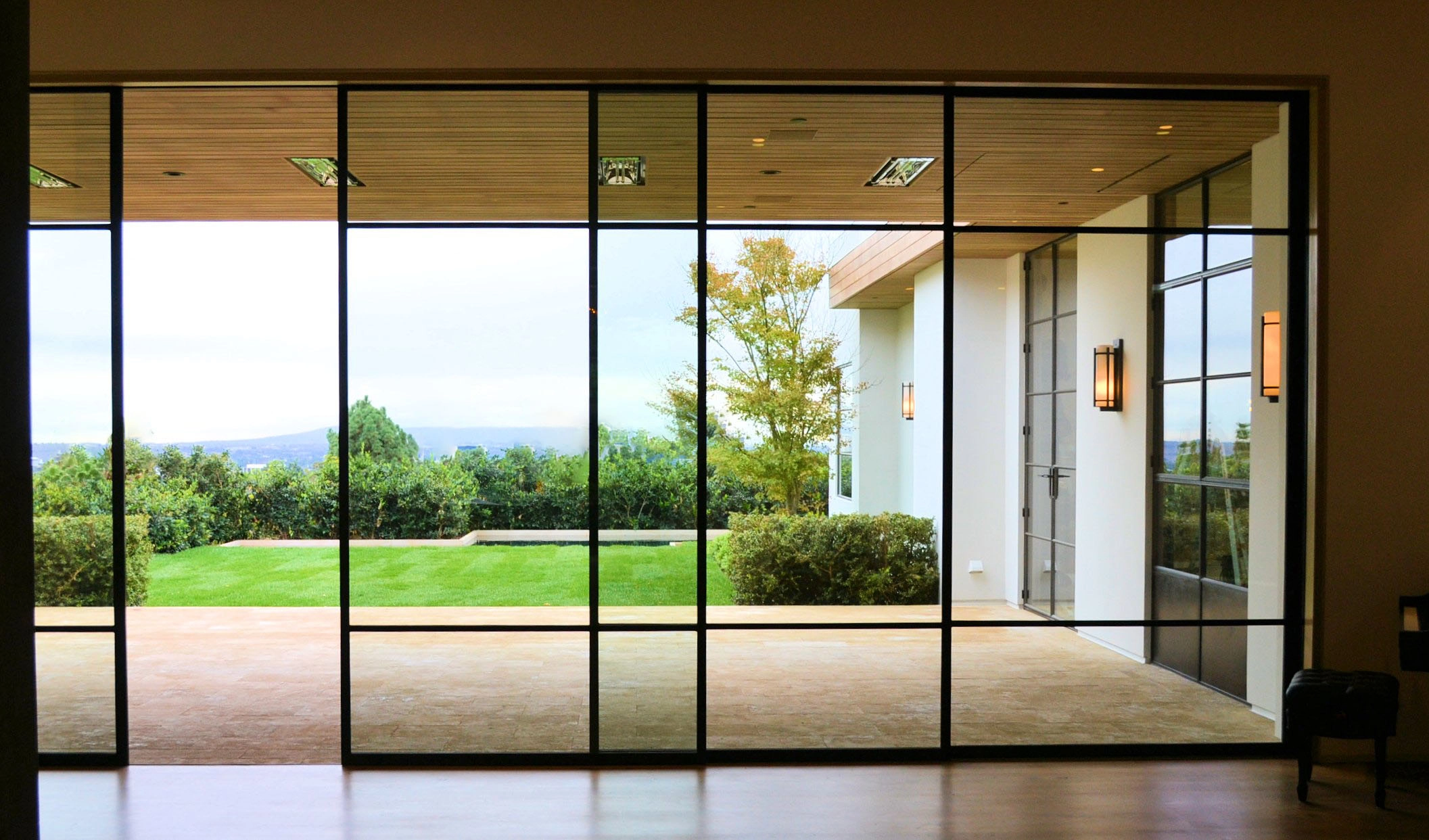
Sleek glass sliding doors create a contemporary, professional look that complements modern architecture.
Cons of Sliding Automatic Doors
- Higher Initial Cost
Sliding automatic doors often cost more to install compared to swinging doors, mainly because of the track system and automation mechanisms. - More Complex Maintenance
The track and motorized components require regular cleaning and maintenance to avoid dirt buildup or misalignment. - Not Always Ideal for Low Traffic
In locations with very little foot traffic, sliding doors might not be as cost-effective since their benefits are most noticeable in busy areas.
Swinging Automatic Doors
Swinging automatic doors open by pivoting on hinges, either inward, outward, or both ways. They can be single-leaf (one panel) or double-leaf (two panels).
Pros of Swinging Automatic Doors
- Lower Installation Cost
Swinging doors are generally less expensive to install compared to sliding doors. They have fewer moving parts and simpler mechanics. - Traditional Appearance
In buildings that aim to maintain a classic or historic look, swinging doors blend well with the overall design. - Effective for Moderate Traffic
Swinging doors are well-suited for locations with medium levels of foot traffic, such as:
- Offices
- Small retail stores
- Medical clinics
- Offices
- Energy Efficiency in Some Cases
Because they open only when needed and for a shorter duration than sliding doors, swinging doors can sometimes reduce air loss in low-traffic environments.
Cons of Swinging Automatic Doors
- Requires More Clearance Space
Since the doors swing open, you need enough room on either side for them to operate without obstruction. This can be a problem in narrow corridors or areas with furniture near the entrance. - Can Cause Traffic Bottlenecks
In high-traffic environments, swinging doors may slow down entry and exit because they can only accommodate a few people at a time. - Less Convenient for Certain Users
People using wheelchairs, pushing strollers, or carrying large objects may find swinging doors less convenient—especially if the swing space is limited.
Head-to-Head Comparison: Sliding vs. Swinging Automatic Doors
| Feature | Sliding Doors | Swinging Doors |
| Space Requirements | Saves space; ideal for narrow areas | Requires clearance for door swing |
| Best For | High-traffic environments | Moderate-traffic environments |
| Accessibility | Very accessible; no swing obstruction | Can be less convenient for wheelchairs/strollers |
| Cost | Higher initial cost | Lower initial cost |
| Maintenance | Requires track and motor cleaning | Generally easier maintenance |
| Aesthetic | Modern and sleek | Traditional and classic |
| Traffic Flow | Smooth, continuous entry/exit | Slower in high-traffic scenarios |
Factors to Consider When Choosing
When deciding between sliding and swinging automatic doors, think about:
- Traffic Volume
- High traffic → Sliding doors are more efficient.
- Moderate traffic → Swinging doors may suffice.
- High traffic → Sliding doors are more efficient.
- Available Space
- Limited clearance → Sliding doors.
- Plenty of room → Swinging doors are an option.
- Limited clearance → Sliding doors.
- Design and Aesthetic
- Modern architectural style → Sliding doors.
- Traditional or heritage style → Swinging doors.
- Modern architectural style → Sliding doors.
- Budget
- Sliding doors cost more initially but may improve efficiency in busy spaces.
- Swinging doors are more affordable upfront.
- Sliding doors cost more initially but may improve efficiency in busy spaces.
- Accessibility Needs
- For maximum accessibility and barrier-free entry → Sliding doors are generally better.
- Swinging doors can still be accessible if properly designed and automated.
- For maximum accessibility and barrier-free entry → Sliding doors are generally better.
Final Thoughts
Both sliding and swinging automatic doors offer clear advantages—but the right choice depends on your building’s layout, traffic patterns, and design preferences.
Choose Sliding Automatic Doors if:
- You have high foot traffic
- Space is limited
- Accessibility is a top priority
- You want a modern, sleek appearance
Choose Swinging Automatic Doors if:
- You have moderate foot traffic
- There’s enough clearance for door swings
- You prefer a traditional aesthetic
- You want lower installation costs
In many cases, businesses even combine both types—using sliding doors for main entrances and swinging doors for internal areas or secondary access points. Whatever your choice, a well-installed automatic door system will improve accessibility, enhance safety, and make your building more welcoming for everyone.