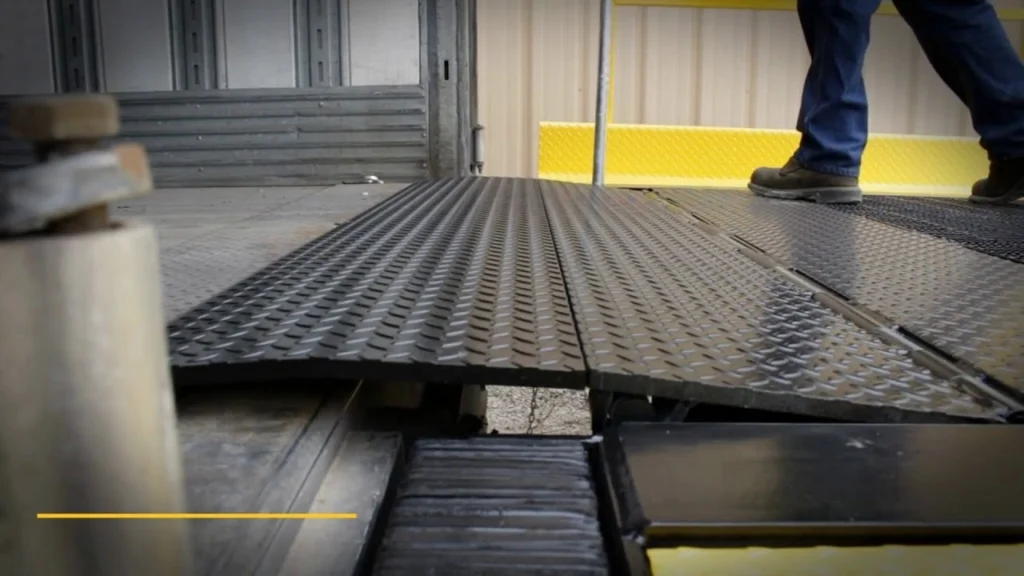

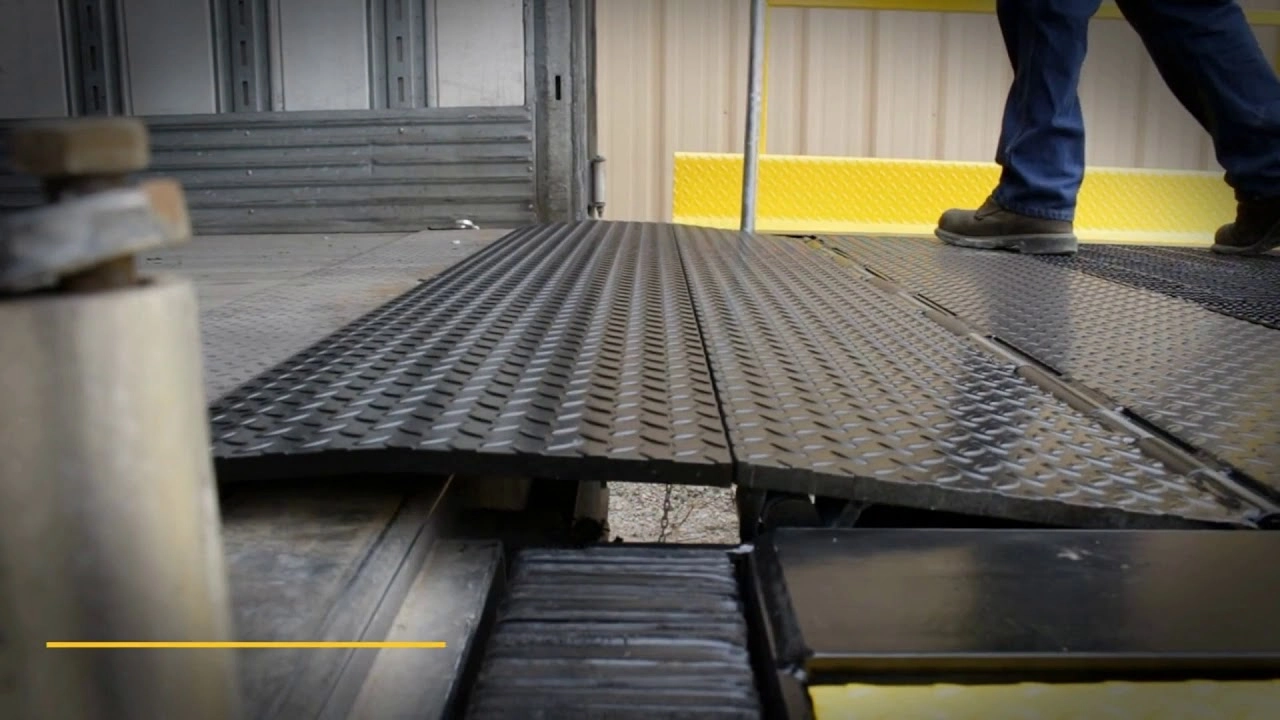
For facilities that handle shipping and receiving, dock levelers are a crucial piece of equipment. They bridge the gap between the dock and the truck, allowing forklifts, pallet jacks, and workers to move goods safely and efficiently.
Choosing the right dock leveler is about more than just filling a gap. The right choice can improve productivity, reduce maintenance costs, and enhance workplace safety. The wrong choice can lead to delays, damage to goods, and even accidents.
With so many options on the market, it can be challenging to know where to start. This guide will walk you through the key factors to consider when choosing the right dock leveler for your facility.
1. Understand Your Facility’s Needs
Before you can select a dock leveler, you need to have a clear understanding of how your loading dock operates.
Start by asking:
- What type of trucks and trailers arrive at your dock?
- How often do you load and unload shipments?
- Do you handle heavy equipment like forklifts?
- Are you working with temperature-sensitive goods?
The answers will guide your decision. For example, a warehouse that handles large shipments daily will have very different needs from a small facility that only receives occasional deliveries.
2. Know the Different Types of Dock Levelers
There are three main types of dock levelers. Each has its own advantages and best-use scenarios.
Hydraulic Dock Levelers
Hydraulic levelers are powered by hydraulic cylinders and controlled with a push button.
They are:
- Durable and reliable
- Easy to operate
- Low maintenance compared to mechanical models
Hydraulic levelers are ideal for high-volume facilities because they can handle frequent use with minimal wear.
Mechanical Dock Levelers
Mechanical levelers are operated manually using a pull chain.
They are:
- Less expensive upfront
- Reliable in facilities with lower traffic
- Simple to repair
However, they require more physical effort to operate and may not be as efficient for busy docks.
Air-Powered Dock Levelers
Air-powered levelers use an air bag system to raise and lower the platform.
They are:
- Simple to operate
- Low maintenance
- Less expensive than hydraulics but easier to use than mechanical models
They are a good middle-ground option for facilities that want automation without the higher cost of hydraulic systems.
3. Consider the Load Capacity
Dock levelers come with specific weight capacity ratings. Choosing a model with too low a capacity can cause damage or safety issues.
When calculating load requirements, consider:
- The weight of the goods being handled
- The weight of forklifts or pallet jacks
- The frequency of heavy loads
For example, if your forklift weighs 5,000 lbs and you regularly carry 3,000 lbs of cargo, you’ll need a dock leveler rated for at least 8,000 lbs—preferably more for safety.
4. Measure the Dock Height and Truck Bed Variations
Not all trucks are the same height. Your dock leveler needs to accommodate these differences.
Measure:
- The height of your dock
- The lowest and highest truck bed heights you typically receive
This will help you choose a dock leveler with the right operating range so it can adjust to different vehicle sizes without creating steep, unsafe angles.
5. Think About Your Climate and Environment
Your operating environment plays a big role in which dock leveler will work best.
In cold climates, hydraulic systems are often preferred because they work well in low temperatures. In dusty or debris-heavy areas, mechanical or air-powered models may require more frequent cleaning.
If you work with temperature-sensitive goods, consider adding dock seals or shelters to reduce air loss when the dock leveler is in use.
6. Prioritize Safety Features
Loading docks are one of the most hazardous areas in a warehouse. A good dock leveler should include safety features that protect workers and equipment.
Look for:
- Toe guards to prevent foot injuries
- Safety lip to keep forklifts from rolling off
- Slip-resistant deck surface for better traction
- Emergency stop controls on powered models
These features aren’t just nice to have—they can help prevent costly accidents and downtime.
7. Evaluate Maintenance Requirements
Some dock levelers require more maintenance than others. Hydraulic models tend to have fewer moving parts, which means less wear and fewer repairs. Mechanical models, while durable, need regular lubrication and adjustments.
Air-powered systems are relatively low-maintenance but will still need occasional inspections to ensure the airbag is functioning properly.
Choosing a model with lower maintenance requirements can save time and money in the long run, especially for high-traffic facilities.
8. Factor in the Total Cost of Ownership
The purchase price is only one part of the cost equation.
Consider:
- Installation costs
- Maintenance expenses
- Energy efficiency
- Expected lifespan
A hydraulic dock leveler may cost more upfront, but it can be more cost-effective over time if it reduces downtime and maintenance needs. Mechanical models may be cheaper to install but could require more frequent servicing.
9. Work with a Trusted Supplier
Dock levelers are a long-term investment, so you want to work with a supplier who can provide reliable products, professional installation, and ongoing support.
A good supplier will:
- Help you assess your facility’s needs
- Recommend the right type and size
- Offer installation and training
- Provide regular maintenance and repair services
Partnering with a trusted supplier ensures your dock leveler will perform reliably for years.
Final Thoughts
Choosing the right dock leveler is about balancing capacity, functionality, safety, and cost.
A well-chosen dock leveler will:
- Improve efficiency in loading and unloading
- Reduce the risk of workplace accidents
- Protect your goods and equipment
- Save money over its lifespan
By carefully evaluating your facility’s needs and understanding the pros and cons of each type, you can make a smart investment that will serve your business well for years.
And remember—your dock leveler is only as good as the maintenance it receives. Regular inspections and servicing will keep it performing at its best, keeping your operations safe and efficient.