
In the modern workplace, security isn’t just about locking doors at the end of the day. Businesses now deal with more sophisticated threats, from data breaches to unauthorized entry. At the same time, employees expect convenience, efficiency, and safety in their work environment. This is where access control systems step in.
An access control system replaces traditional keys with smarter, more secure, and more manageable solutions. It gives businesses the ability to decide who can enter certain areas, when they can enter, and how that access is managed. For any forward-thinking company, this technology isn’t just a luxury—it’s a necessity.
Here are the top 5 reasons every modern office needs an access control system.
1. Enhanced Security and Controlled Access
One of the most obvious reasons to invest in an access control system is better security. Unlike traditional locks and keys—which can easily be duplicated, lost, or stolen—access control systems give you total control over who enters your building or certain areas within it.
With an access control system, you can:
- Restrict access to sensitive areas like server rooms, HR offices, or financial departments.
- Revoke access instantly if an employee leaves the company or loses their access card.
- Monitor entry logs to see exactly who entered and when.
For example, imagine a company storing sensitive client information in a specific office. Without proper access controls, anyone with a copy of a key could potentially get in—cleaning staff, maintenance workers, or even ex-employees. But with access control, you decide exactly which individuals have entry privileges. If their role changes, so can their access rights—immediately and without changing physical locks.
This system also works as a deterrent. Knowing that access is monitored reduces the likelihood of internal theft, unauthorized snooping, or security breaches.
2. Improved Workplace Safety
Modern offices aren’t just protecting property—they’re protecting people. An access control system plays a crucial role in maintaining a safe work environment for employees and visitors.
Here’s how it helps:
- Keeps unauthorized visitors out – Only people with the right credentials can enter, minimizing the risk of unwanted intrusions.
- Enhances emergency response – In case of emergencies like fires, floods, or lockdowns, access control can be programmed to allow quick evacuation or restrict access to danger zones.
- Supports health and safety compliance – In some industries, certain areas may require special safety training before access is granted. Access control ensures only qualified personnel can enter.
In a world where workplace safety is a top priority, having a system that controls who can and cannot enter your building is a huge advantage. It gives employees peace of mind, knowing their work environment is monitored and secure.
3. Greater Convenience and Efficiency
Access control isn’t just about security—it’s also about making life easier for everyone in the office. Traditional keys can be a hassle. They can get lost, stolen, or copied, and replacing them often requires changing the entire lock.
Access control systems offer a much smoother experience:
- Employees can use key cards, fobs, or even mobile phones to unlock doors.
- No more carrying bulky sets of keys.
- Instant access updates—when someone is promoted or moves to a new department, their access permissions can be updated in seconds.
- No time wasted waiting for someone to open locked doors or dealing with misplaced keys.
For example, a company can set up the system so employees can only access the building during working hours. If an employee needs to work late, temporary extended access can be granted without issuing a new key.
For visitors, access can be easily managed by issuing temporary passes. These can be programmed to work only for the day and specific areas—perfect for contractors, delivery personnel, or short-term guests.
Convenience isn’t just a perk—it’s a time and cost saver for any business.
4. Centralized Management and Integration with Other Systems
One of the biggest advantages of modern access control systems is their ability to integrate with other security and workplace management systems.
A centralized access control platform lets you:
- Manage all entry points from a single dashboard.
- Integrate with CCTV cameras for real-time monitoring.
- Link to alarm systems so doors automatically lock if a security breach is detected.
- Sync with time and attendance software to track working hours.
- Integrate with building automation systems—for example, lights or HVAC can automatically turn on when an employee enters a room.
Centralized management is especially valuable for companies with multiple office locations. Instead of relying on local staff to handle security, administrators can manage and monitor access remotely.
This integration also creates detailed audit trails. If there’s ever a security incident, you can quickly check access logs, review camera footage, and see exactly who was in a certain area at a specific time.
5. Scalability and Future-Readiness
One of the best things about access control systems is that they grow with your business. Whether you have 20 employees today or plan to have 200 in a few years, your system can be scaled up without replacing the entire setup.
Scalability benefits include:
- Adding new doors or access points without major infrastructure changes.
- Easily updating user access permissions as roles change.
- Supporting multiple authentication methods—swipe cards today, mobile credentials tomorrow.
- Preparing for future workplace trends like hybrid work and flexible office spaces.
For example, if your company adopts a hot-desking policy, you can manage access so that employees can enter only the spaces they’ve booked. If your team works remotely part of the week, you can limit building access to specific days.
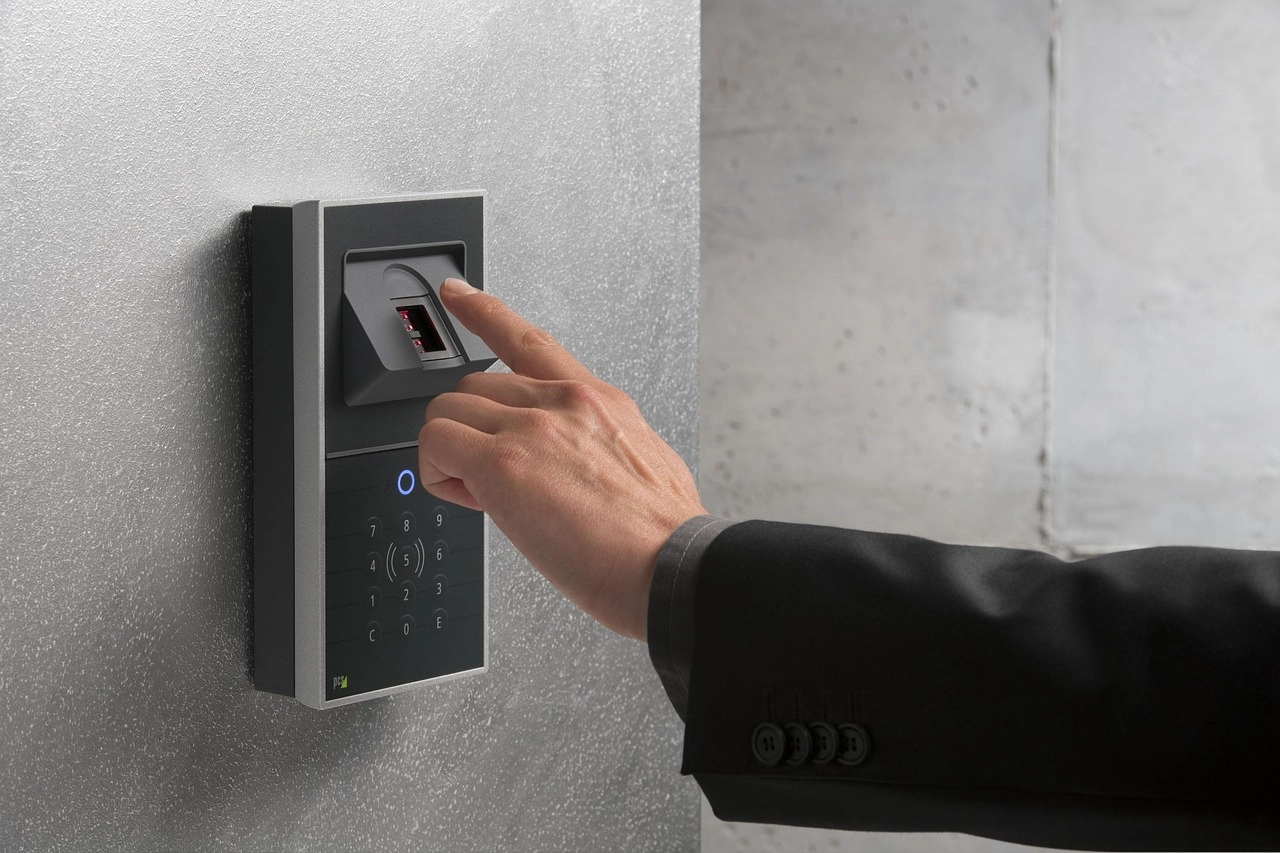
Future-ready systems also adapt to advancing security technologies. Many now support biometric authentication like fingerprint or facial recognition, which can further improve security while enhancing convenience.
Final Thoughts
In today’s business environment, security, safety, and efficiency go hand-in-hand. Access control systems are no longer just about keeping doors locked—they’re about giving companies smarter ways to manage people, spaces, and resources.
The top reasons to invest are clear:
- Enhanced Security – Protect your workplace from unauthorized entry.
- Workplace Safety – Keep employees and visitors safe.
- Convenience – Streamline access for staff and visitors.
- Centralized Management – Control everything from one platform.
- Scalability – Grow and adapt as your business evolves.
Whether you’re running a small startup or managing a large corporate office, an access control system is an investment in peace of mind, operational efficiency, and long-term resilience.
The modern workplace is constantly changing. Your security should be able to keep up.